



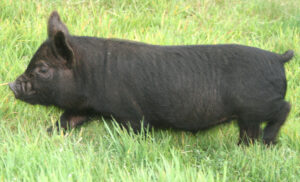
Guinea Hogs .... the perfect homestead pig!
Available Guinea Hogs
Fall 2023 piglets are here and available for sale!
Ready for pickup after September 26, 2023.
Call or text us at 434-735-0139 for purchasing instructions. See our BUY page for more information.
We sell registered and unregistered guinea hogs year round and have most litters in the Spring and Fall.
Mentoring Program
For those who have little to no experience with the American Guinea Hog, no worries! We offer a comprehensive one-on-one mentoring program here at the Old Crowe Farm. Visit our MENTORING page for more information.
The breed’s original stock, which is native to the Guinea Coast of West Africa, has been crossbred with Appalachian English pigs for the past 200-300 years to create a distinct American breed. According to The Livestock Conservancy the guinea hog is “also known as the Pineywoods Guinea, Guinea Forest Hog, Acorn Eater, and Yard Pig, the breed was once the most numerous pig breed found on homesteads in the Southeast. Hogs were imported from West Africa and the Canary Islands to America in conjunction with the slave trade. The imports were documented as early as 1804 by Thomas Jefferson and other Virginia farmers.”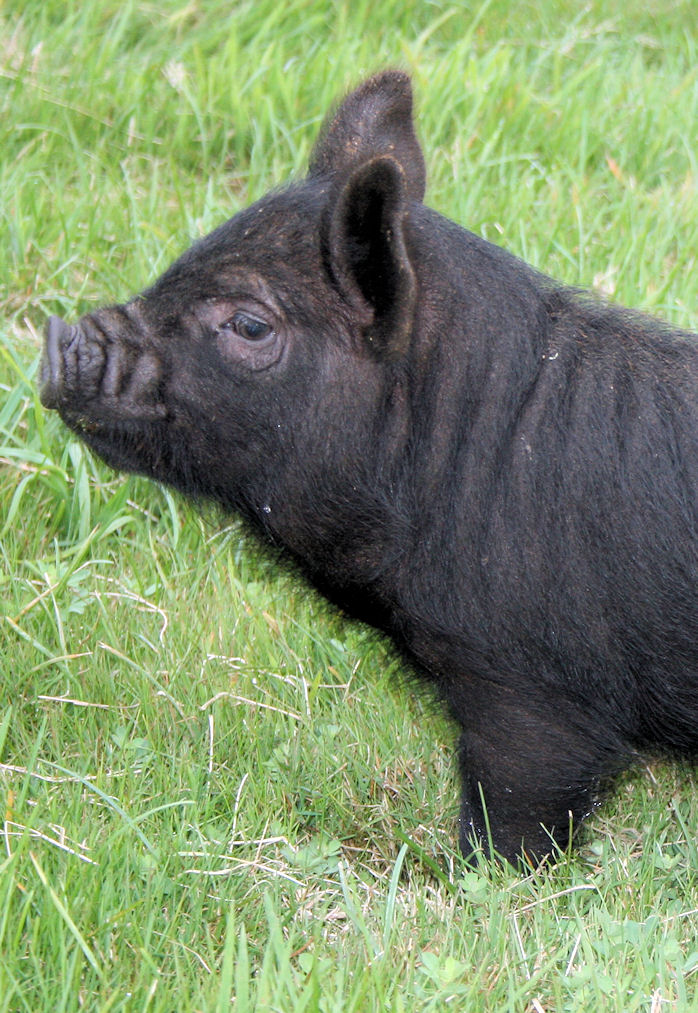
Rare breed heritage farm animals are a valuable genetic resource, and, to maintain this resource, the animals must remain a part of the food chain. If the guinea hog is not valued as a food source, they will go extinct. We raise them to help preserve the breed by selling high quality breeding stock and to put excellent meat on our table and yours.
For more breed information, visit The Livestock Conservancy.
Benefits to Homesteaders
We raise the American Guinea Hog since they are well suited to our climate here in southern Virginia and our pasture-based sustainable farm environment.
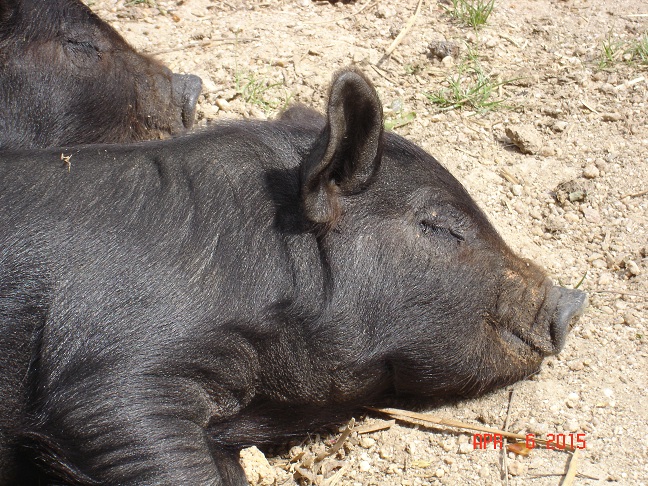
A breed with unmatched temperament and flavor.
Disposition
We wanted pigs with an extremely docile and happy personality for our small farm and many visitors. Our guinea hogs have an excellent disposition and do well with children and other farm animals. Our guinea hogs share pastures with our Dexter cattle, Tennessee fainting goats, mottled java chickens, and Maremma livestock guardian dogs.
Meat
The unique combination of rare genetics, quality foraging, and nutritious supplemented diet make for exquisite tasting pork. Guinea hog meat is moist and offers a deep rich flavor. Although the guinea hog is slow growing, they are excellent foragers and gain weight easily. This means keeping them around for a year (or more) to reach a desired weight is not an issue for most homesteaders. We have butchered them from as young as 6 months to 5+ years old.
The guinea hog is not overly large (compared to other breeds) and range between 150 and 300 pounds. This means we don’t have so much meat after butchering that it won’t fit in our freezers. It also means we can easily dispatch and butcher our pigs on our own.
Lard!
Guinea hogs produce plenty of white gold…. LARD! Lard is of vital importance to any homesteader. We render our leaf fat to make the sweetest lard for our baked products. We render the other fat for use in our everyday cooking. We also sell fatback… a southern favorite!
Conservation Priority
Conservation Priority = THREATENED
Saving the Guinea Hogs Book Now For Sale
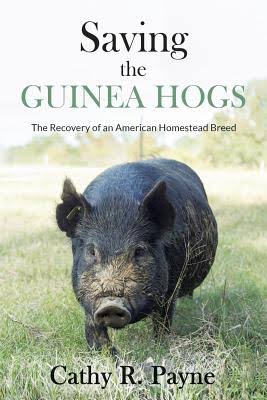 “Saving the Guinea Hogs, a narrative nonfiction book, is the first definitive history of the Guinea Hog breed. Rich in historically accurate information, it is easy to read and full of colorful characters. It is a comprehensive overview of the people who raised Guinea Hogs from 1940 to 1995, told in their own words and enlightening stories. These first-person stories reveal the subjects’ deep fondness for and attachment to the amiable Guinea Hogs. Some recall a time when their families did not have access to electricity or indoor plumbing. The Guinea Hog was utilized head to tail, providing meat, lard, and grease to meet crucial family needs.”
Price $24.99

